The Scripta Puella in Augustan Rome and Reagan’s America

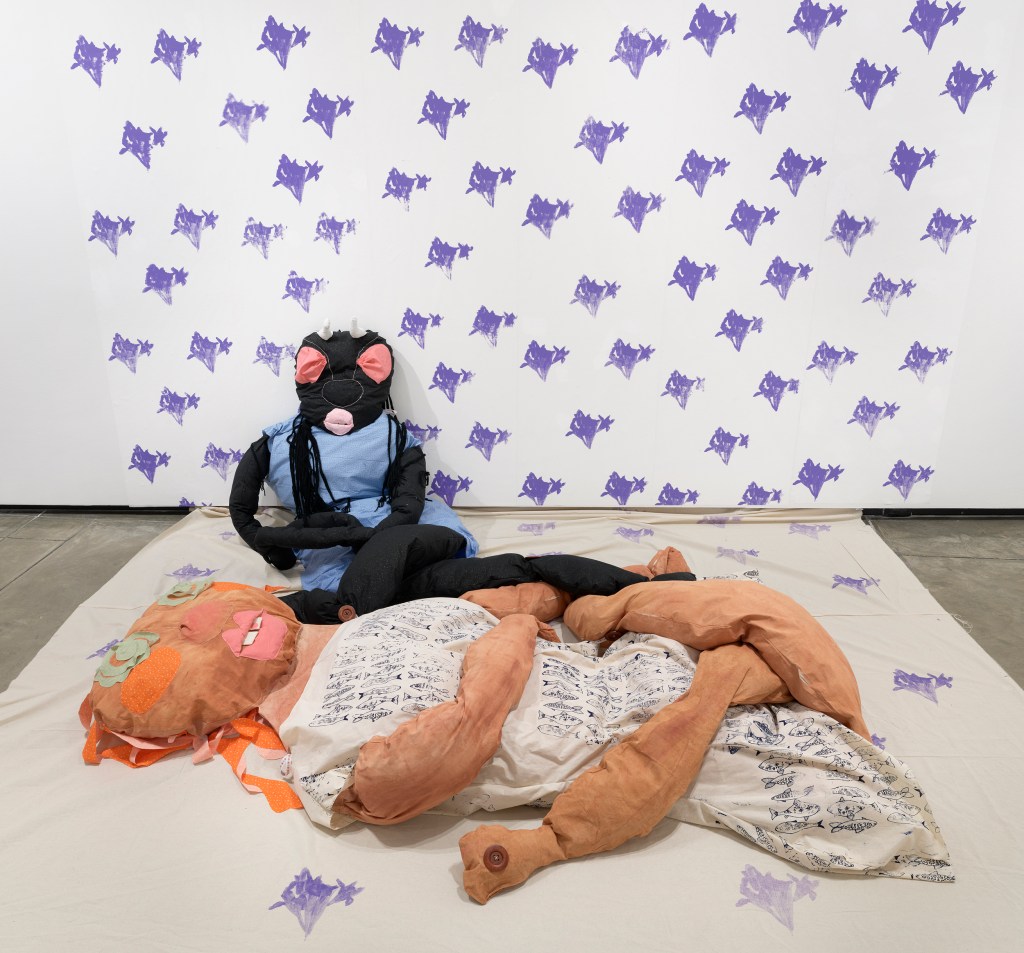
Image from Carpenter Center Exhibition Website. Photography: Julia Featheringill.
This thesis examines how media responds to moral reformers through female characters. In order to examine this effect, I am comparing two periods of time: first-century BCE Rome under Augustus and the twentieth-century United States under Reagan. Augustus and Reagan both enacted creative, conservative moral reforms that relied heavily on politicized nostalgia during their times as the head of their respective states. Under each leader, innovative cultural expressions emerged that supported, nuanced, or rejected the respective actions and agendas of Augustus and Reagan, but these cultural expressions often did so without openly discussing political and moral reforms. Instead, they provided commentary through their literary forms, characters, plots, and settings. I argue that under Augustus, love elegy can be read as responding to Augustan moral reforms, and that under Reagan, teen drama television does the same. By examining the historical context surrounding the rise of conservative reformers, we are able to see how nostalgia has impacted the moral reforms and rhetoric of both the early Roman principate and the modern United States, how nostalgia is reflected in the media forms of each time, and how hyper-personal genres such as love elegy and teen drama respond subversively to that nostalgia. Female characters are particularly susceptible to politicization, and the tropes of both genres, rooted in nostalgia, link these female characters across time.
 Haley Algrant
Leave a comment